Your cart is currently empty!

Choose us for complex, special and stylish designs you have never seen before.
Amblygonite: A Collector’s Gem with Hidden Beauty
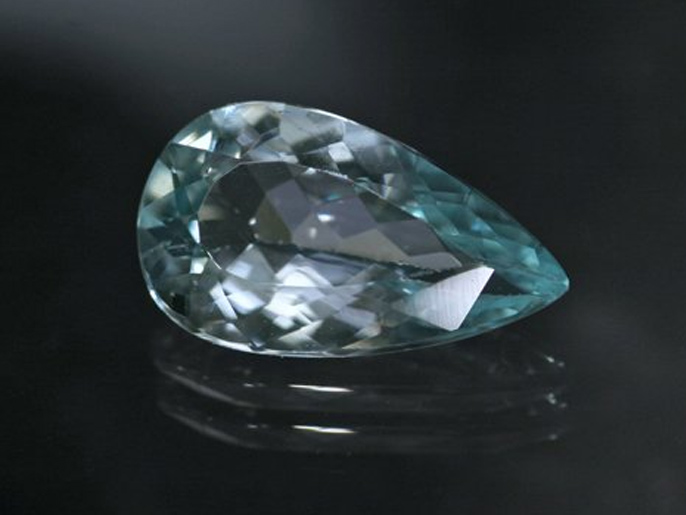
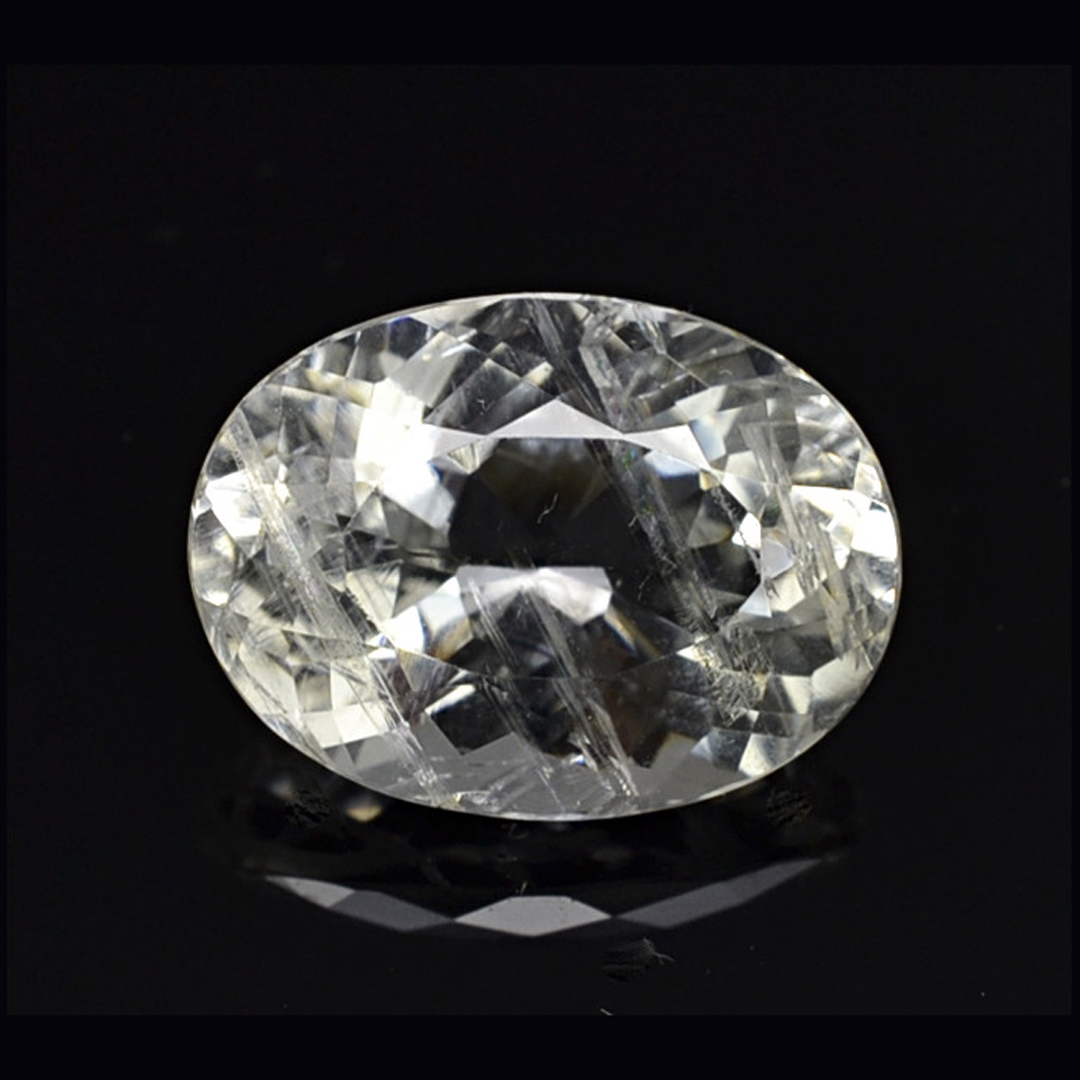
amblygonite, a rare gemstone, is prized by collectors for its unique properties, even though it’s not commonly used in jewelry. Here’s what makes it stand out:A Collector’s Favorite:-
- While not widely used in jewelry due to its softness, Amblygonite’s unique characteristics make it popular with collectors.
-
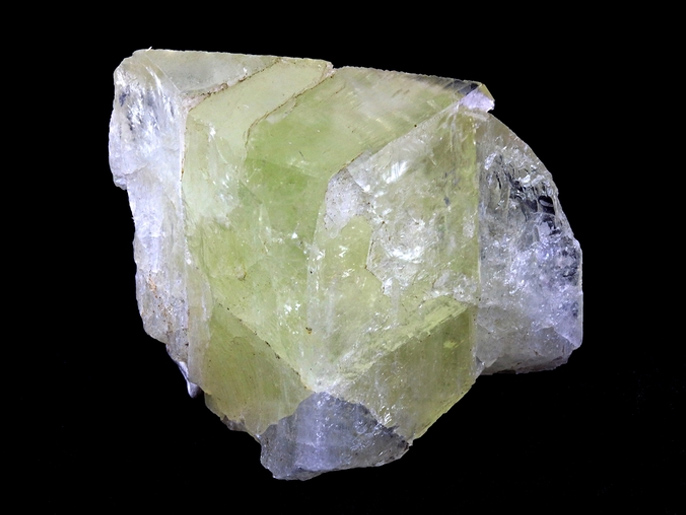
- Light yellow or milky trigonal crystals with vertical striations on the surface.
-
- Often mistaken for gemstones like Brazilianite and Scapolite.
-
- Relatively lightweight compared to other gems.
-
- Usually found associated with other rocks like granite or pegmatite minerals.
-
- Colors range from green, yellow, pink, and blue to colorless (rare).
-
- Amblygonite is a soft gem that can break easily, limiting its use in jewelry.
-
- Exhibits high dichroism (color change with viewing angle) visible with specialized equipment.
-
- Displays dispersion (rainbow effect) when light passes through the stone (not unique to Amblygonite).
-
- Named “Amblygonite” in 1817 based on Greek words referring to its blunt angles.
-
- Primarily Lithium Aluminum Hydroxy Phosphate, making it a good source of Lithium.
-
- Chemical analysis reveals elements like Sodium, Aluminum, Phosphorus, Fluorine, Hydrogen, and Oxygen.
-
- Refractive index: 1.611/1.637
-
- Hardness: 3.01
-
- Refractive index difference: 0.026
-
- Reported in Sri Lanka within black stones in the Balangoda area.
-
- Found worldwide in association with pegmatite minerals.