Your cart is currently empty!

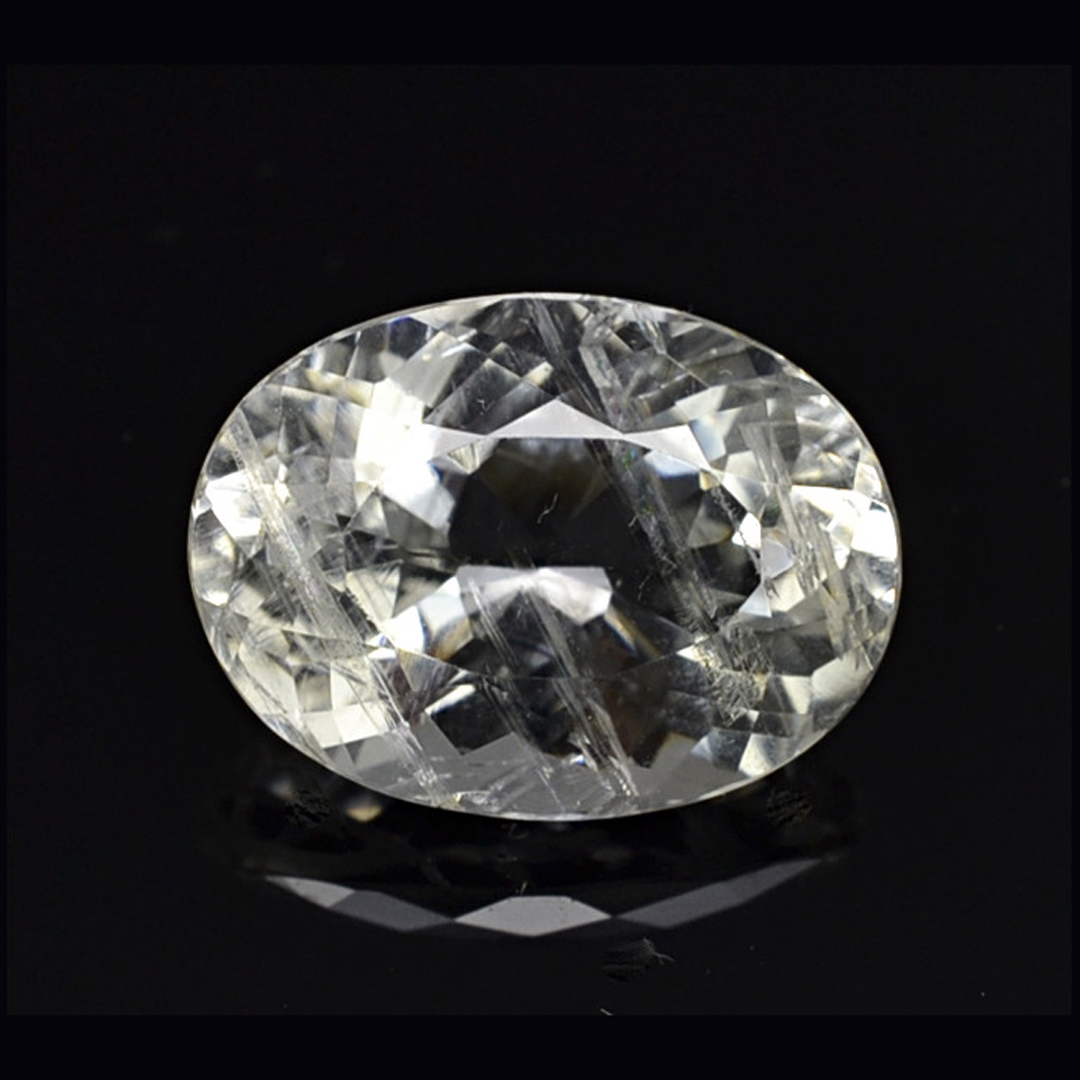
Actinolite: A Hidden Gemstone Beauty
Actinolite might not be a household name, but for gemstone enthusiasts, it holds a special charm. Here’s a look at this unique gem:
A Rare Find:
Actinolite is a relatively uncommon gemstone, making it interesting for collectors who appreciate something different.
Where Does it Hide?
Actinolite can be found alone or alongside other minerals like dolomite and mica.
Identifying Actinolite:
- Flaky Nature: This is a key feature. Actinolite breaks into distinct, thin layers, giving it a fibrous or stick-like appearance.
- Silky or Shiny Surface: Microscopic impurities can contribute to a silky or lustrous sheen on the unpolished stone.
- Color Range: Actinolite comes in shades of light blue, brown, and green.
Monoclinic Magic:
The gem’s crystal structure (monoclinic) and its flaky nature make it relatively easy for experts to identify.
Chemical Composition:
Calcium, magnesium, and iron silicates are the main ingredients, with iron and hydroxy compounds playing a role in its color variations.
Technical Specs:
- Refractive index: 1.620 – 1.642
- Specific gravity: 3.05
- Dichroism: This property requires specialized equipment to detect.
A Global Gem:
Actinolite is found in Sri Lanka, Madagascar, Tanzania, and other locations.
A Historical Gemstone:
The discovery of actinolite as a distinct mineral is credited to French mineralogist René Just Haüy in 1794.
Remember: Actinolite’s unique beauty and relative rarity make it a fascinating gemstone for collectors to explore.